
Support your dog’s or cat’s digestive and immune system with enzymes
Digestion could not take place without enzymes
Enzymes are an integral part of digestion. They are biological molecules that help the body turn food into nutrients. Starting from the time food enters the mouth, various enzymes break it into smaller units until it can be absorbed through the intestinal wall. These enzymes come from two sources—from the food itself, and from the body’s enzyme backup system.
A different enzyme for each type of food
There are four basic types of enzymes. Protease breaks long protein chains into smaller amino acid chains, and then into single amino acids. Amylase reduces large carbohydrates, such as starch, into simple sugars that the body can burn for fuel. Lipase digests fats into free fatty acids small enough to pass through the intestinal wall. Cellulase, not naturally produced by dogs or cats, breaks down plant fibers to free the nutrients inside the cell walls of fruits and vegetables.
The body’s backup enzyme system
Cooking food destroys enzymes starting at about 104° F. Other types of processing and storage destroy them as well. To digest a meal deficient in enzymes, the body must produce its own replacement enzymes or become malnourished. In response to each batch of undigested food that reaches the small intestine, the pancreas manufactures and delivers the right enzymes to do the job. With cooked and processed pet food, 100% of the enzymes must be supplied by the body all the time.
All raw food contains the proper types and proportions of enzymes to assist in the process of decomposition. When raw food is eaten, chewing releases these indigenous food enzymes from within the cells, which go to work immediately in the mouth and later in the stomach.
Animals, like dogs and cats who evolved on raw foods, are not adapted to make so many enzymes to help digest cooked or processed food, putting an enormous strain on their system. By middle age, most dogs and cats experience significant enzyme depletion, resulting in allergies, skin problems, immune system breakdown, premature aging, and a host of other complications.
Even more than humans, dogs and cats benefit from enzymes. Our pets evolved eating raw, fresh, unprocessed foods, which contain the perfect quantity of enzymes to digest all proteins, carbohydrates, and fats within them. Modern-day pet foods are devoid of enzyme activity needed for optimum health. There are two simple remedies to this problem – adding supplemental enzymes to cooked or processed food, and feeding raw food. Either solution can bring about dramatic improvements.
We have seen amazing transformations in animals after enzyme supplementation begins, including relief from itchiness, allergies, flea infestation, weepy eyes and ears, dry flaking skin, rashes, hair loss, and hot spots. Enzymes also help other supplements work better by increasing their absorption into the body.
The best supplemental enzymes come from plant-grown sources. They mimic natural food enzymes beginning the digestion process in the stomach and then continue working in the lower digestive tract. Enzymes should be given any time cooked or processed food is served to replace the natural enzymes destroyed by heat.
Symptoms of enzyme deficiencies:
 Dry, flaky skin and dull coat—frequently due to poor absorption of fatty acids in the diet. Can be helped by giving enzymes and a fatty acid supplement together at each meal.
Allergies, rashes, hot spots, flea dermatitis, and food sensitivities—poor protein digestion can trigger a biochemical chain reaction, resulting in inflammation and severe itching. Enzymes can break down proteins to stop the itching and let healing take place.
Intestinal gas, diarrhea, undigested food in the stool, stool-eating—slow or incomplete digestion of carbohydrates. In addition to enzymes, probiotic cultures may be needed to repopulate the intestinal tract with beneficial bacteria for complete food breakdown and nutrient absorption.
Supplemental enzymes to the rescue
Since 1990, All The Best Pet Care has been producing digestive enzyme blends for pets. Our proprietary formulations are targeted, concentrated powders that begin working in the stomach, mimicking enzymes in raw food. They require only a small dosage that easily mixes into moist food.
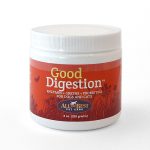 Good Digestion
This comprehensive supplement combines digestive enzymes with probiotic cultures – prebiotic fructooliosaccharides (FOS), as well as alfalfa, barley, and wheatgrass to address poor digestion, gas, and loose stools. Good Digestion feeds and repopulates the intestinal tract’s beneficial bacteria, which in turn help to break down and assimilate the nutrients in food. The alfalfa, barley, and wheatgrass provide cell-protecting antioxidants and essential nutrients, supporting the immune system. Good Digestion is highly beneficial after a course of antibiotic treatment.
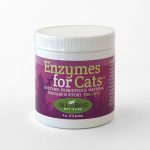 Enzymes for Cats
This carnivore-focused formula replaces the naturally occurring food enzymes destroyed by cooking and processing. It also contains the prebiotic inulin to encourage the growth of friendly gut bacteria and improve immune function. Cranberry and Vitamin C support urinary health, keeping urine acidic, and protecting the bladder against bacterial infection.